

Industry Applications & Pump Solutions
Sodium Hypochlorite (NaOCl) Transfer: Sealless Pump Guide
An engineering analysis of high-concentration Sodium Hypochlorite (NaOCl) fluid transfer, focusing on magnetic drive architectures, like the MDW and MDH series, to eliminate oxygen vapor lock, salt crystallization, and chloride-induced corrosion.
Titanium Tetrachloride (TiCl4) Transfer: Sealless Pump Guide
An engineering analysis of Titanium Tetrachloride (TiCl4) fluid transfer in Kroll process and pigment synthesis, focusing on magnetic drive architectures, like the MDW and MDH series, to eliminate moisture-induced TiO2 crystallization and HCl gas emissions.
Hydrofluoric Acid (HF) Transfer: Sealless Pump Engineering Guide
An engineering analysis of anhydrous Hydrofluoric Acid (HF) transfer in petroleum alkylation units, focusing on magnetic drive architectures, like the MDW and MDH series, to eliminate lethal vapor clouds, free-silicon bearing dissolution, and radial thrust.
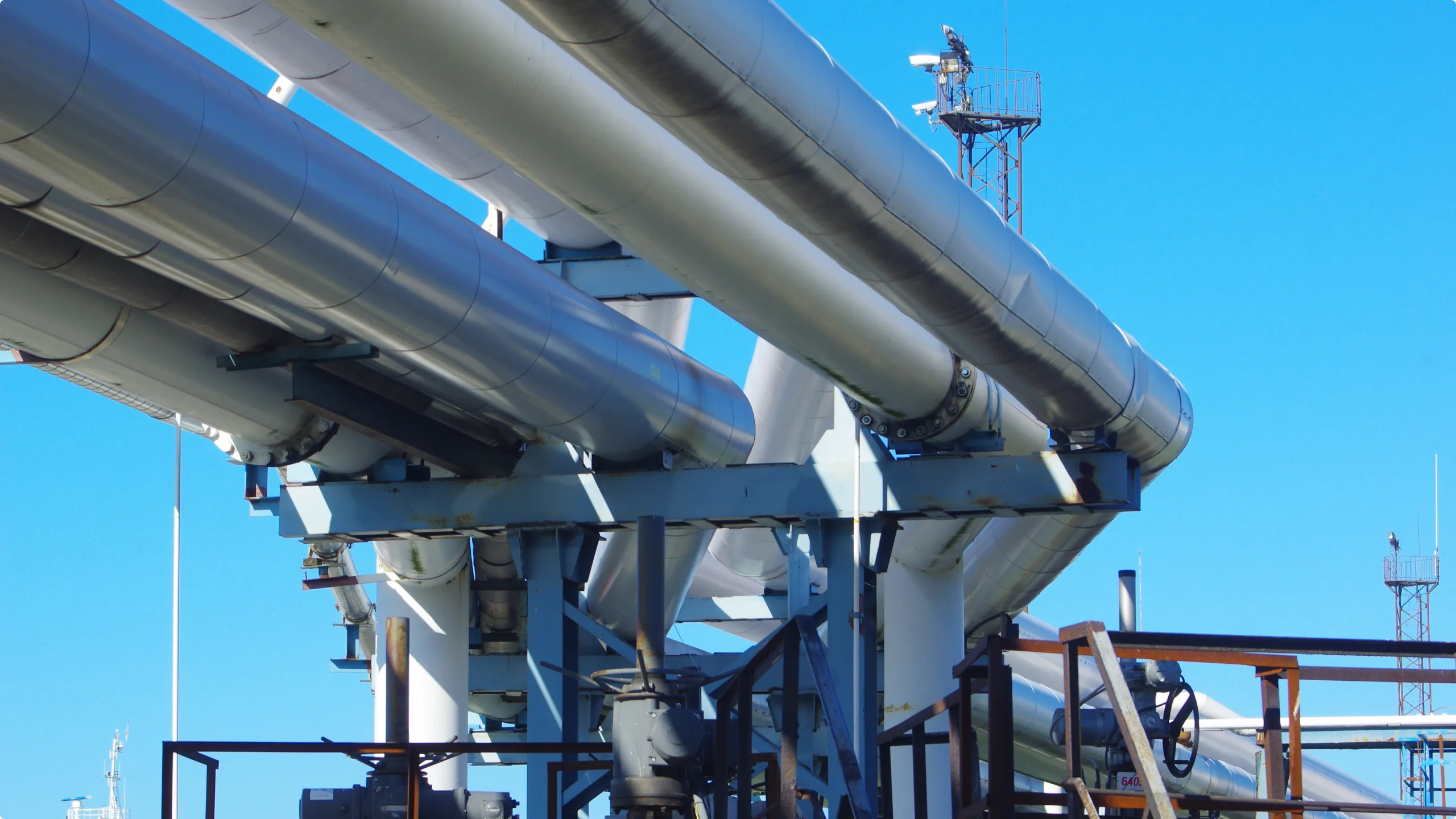
Ethylene Oxide (EO) Transfer: Sealless Pump Engineering Guide
An engineering analysis of Ethylene Oxide (EO) fluid transfer in chemical synthesis, focusing on magnetic drive architectures, like the MDW and MDH series, to eliminate explosive polymerization, fugitive emissions, and centrifugal vapor lock.
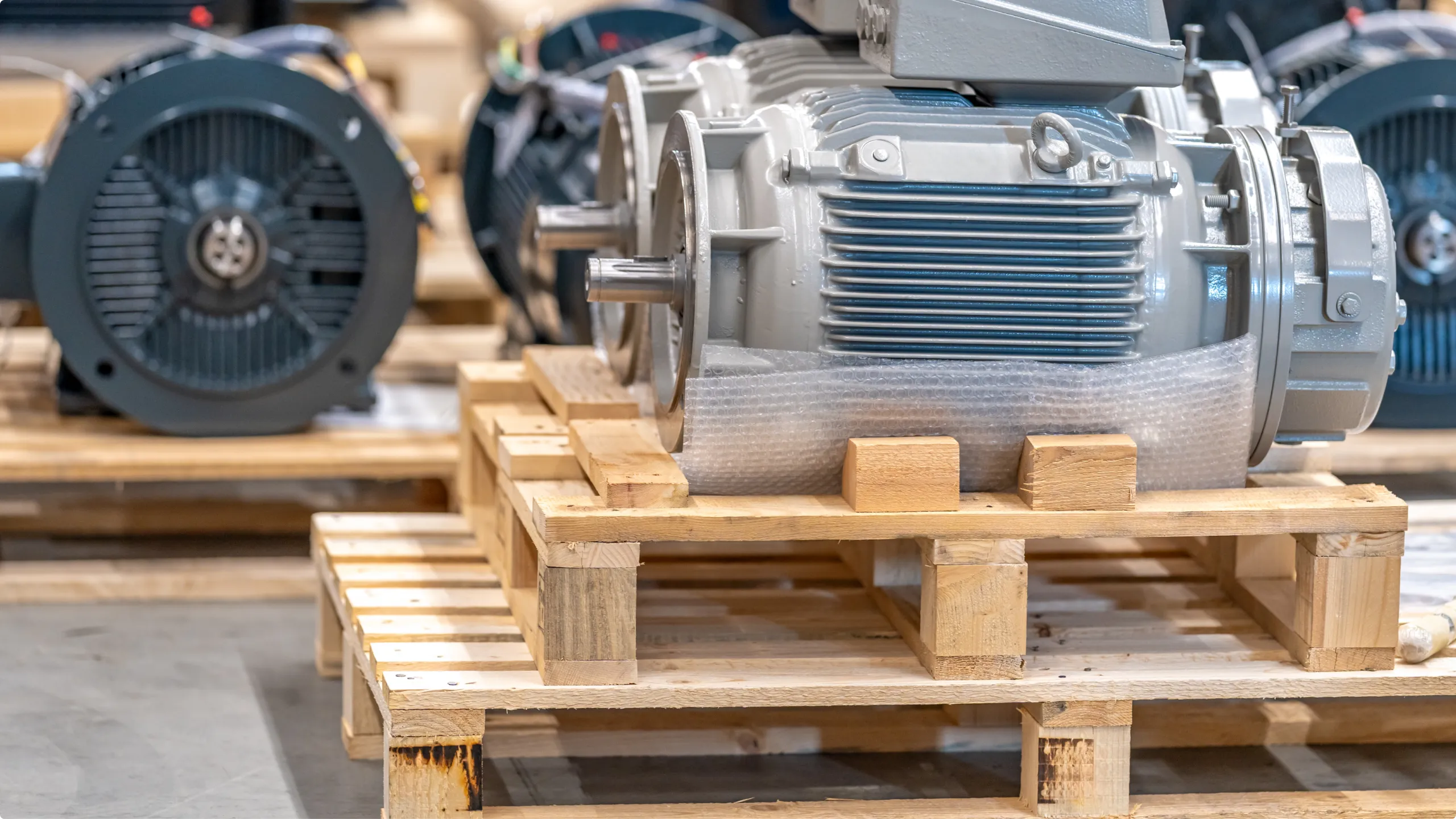
Amine Gas Sweetening & Carbon Capture: Sealless Pump Guide
An engineering analysis of amine gas sweetening (MEA/MDEA) fluid transfer in carbon capture and biogas upgrading, focusing on magnetic drive architectures, like the MDW and MDH series, to eliminate lethal H2S emissions and outgassing vapor lock.
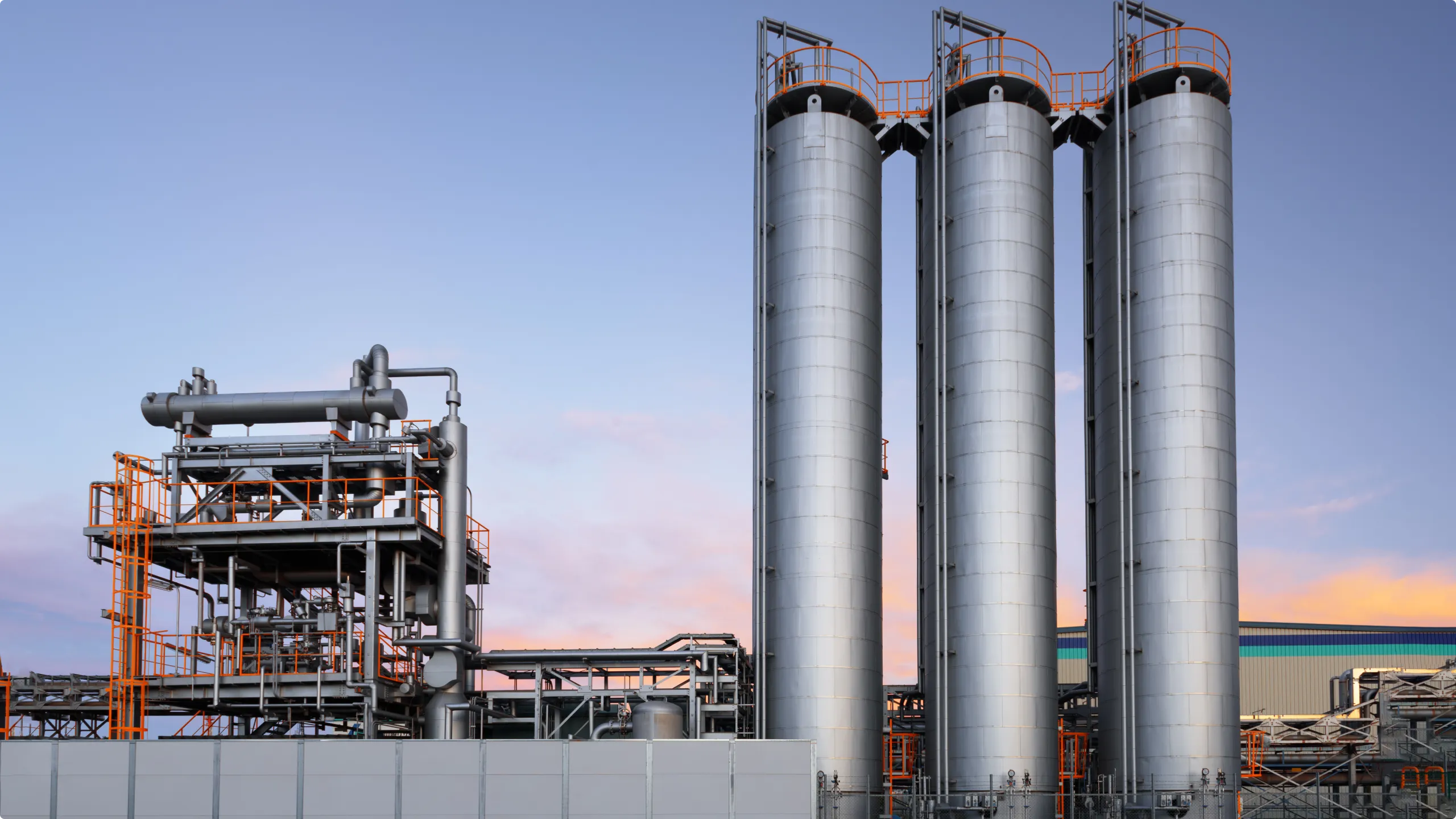
Alkaline Electrolyzer Fluid Transfer: Sealless Pump Engineering Guide
An engineering analysis of Potassium Hydroxide (KOH) electrolyte transfer in alkaline water electrolysis for green hydrogen production, focusing on magnetic drive architectures, like the MDW and MDH series, to eliminate caustic leakage, lye crystallization, and hydrogen gas vapor lock.
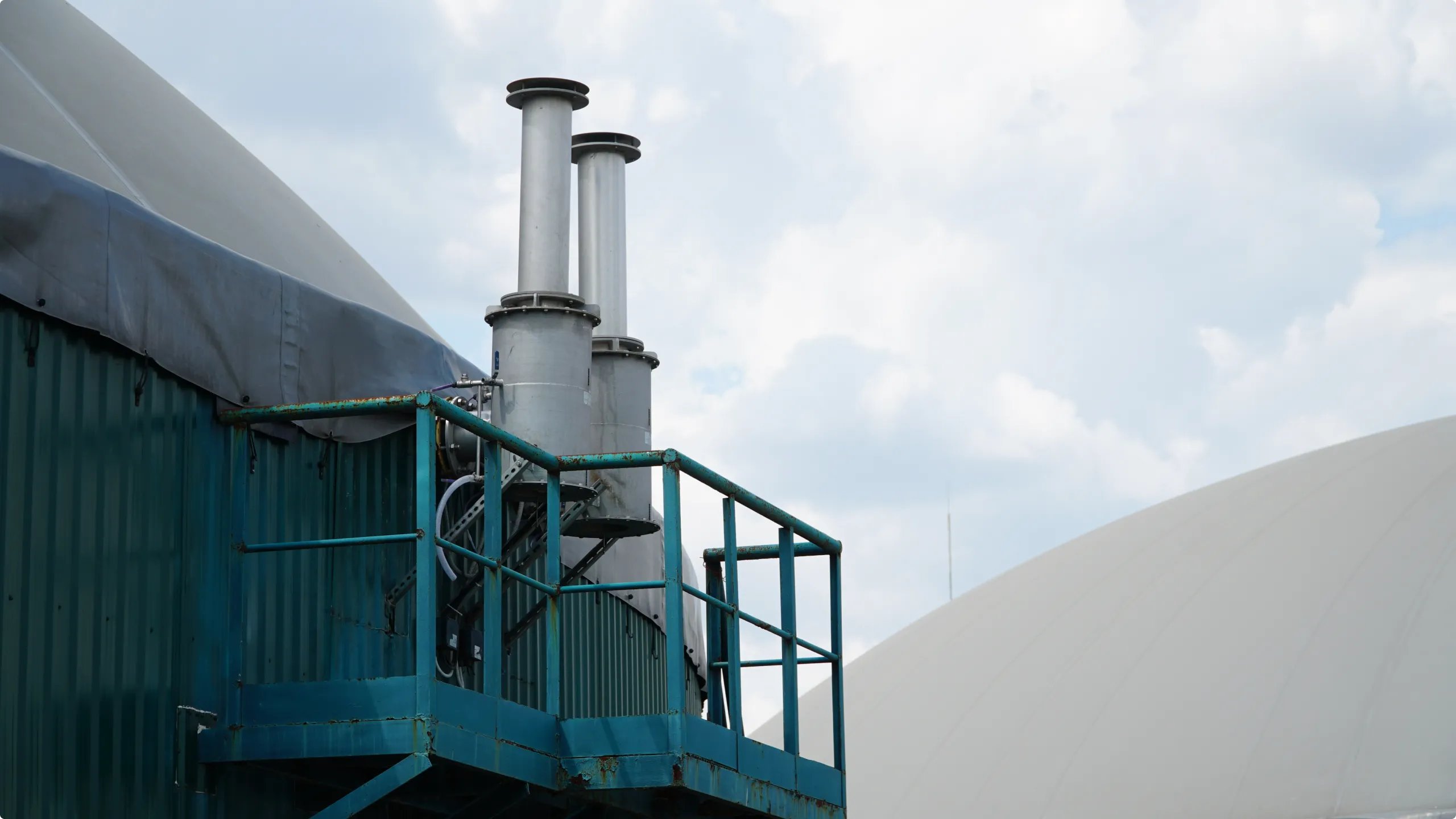
ORC Fluid Transfer: Sealless Pump Engineering Guide
An engineering analysis of Organic Rankine Cycle (ORC) waste heat recovery systems, focusing on magnetic drive architectures, like the MDW and MDH series, to prevent cavitation, low-NPSHa vapor lock, and fugitive emissions of volatile working fluids.

Lithium-Ion Battery Electrolyte (LiPF6) Transfer: Sealless Pump Guide
An engineering analysis of lithium-ion battery electrolyte (LiPF6) fluid transfer, focusing on magnetic drive architectures, like the MDW and MDH series, to eliminate moisture ingress, hydrofluoric acid (HF) generation, and dynamic seal failure.
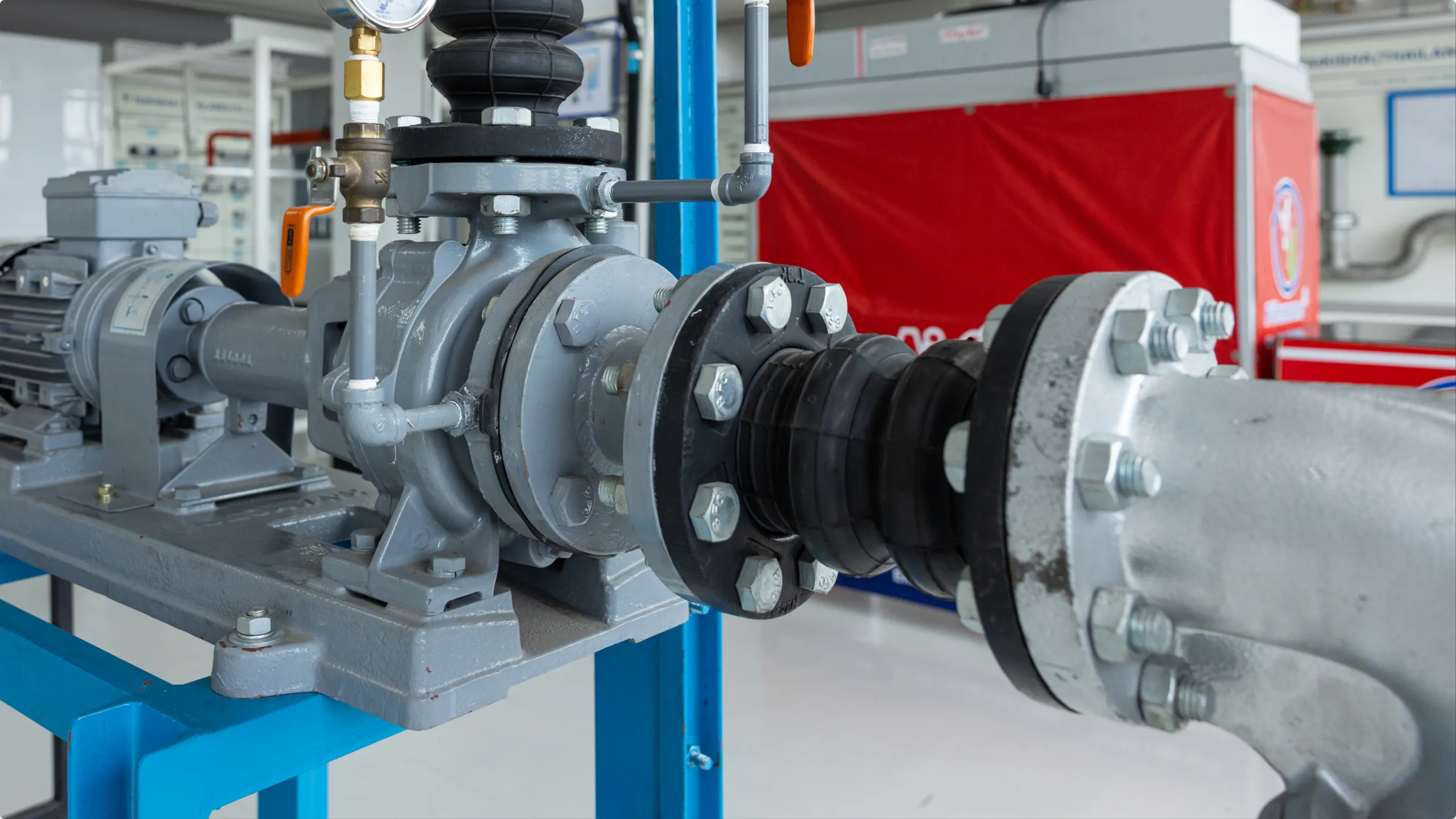
Molten Salt Heat Transfer: Sealless Pump Engineering in CSP
An engineering analysis of high-temperature molten salt heat transfer in Concentrated Solar Power (CSP) systems, focusing on magnetic drive architectures, like the MDW and MDH series, to eliminate thermal freeze-up, auxiliary trace heating failure, and dynamic seal oxidation.

Common Industrial Pump Issues & Solution Approaches
In industrial pump operation, many failures develop gradually rather than occurring suddenly. Early warning signs are often overlooked, or inspection and maintenance are not conducted systematically. The following issues and approaches help clarify root causes, response strategies, and prevention methods.
Key Factors in Industrial Pump Solutions
Common Industrial Pump Issues & Solution Approaches
In industrial pump operation, many failures develop gradually rather than occurring suddenly. Early warning signs are often overlooked, or inspection and maintenance are not conducted systematically. The following issues and approaches help clarify root causes, response strategies, and prevention methods.

Leakage (Seal-Related)
Leakage assessment should begin with identifying leakage location and media condition. Flange or interface leakage is often related to installation stress, misalignment, gasket selection, or tightening torque. Seal leakage requires verification of media temperature, pressure fluctuations, and the presence of dry running, cavitation, or solid particles. Solutions should define seal types and required auxiliary system conditions, such as cooling, flushing, or insulation, and include alignment verification during installation.

Insufficient or Unstable Flow / Head
The primary distinction is whether the issue originates from system resistance changes or deviation from the designed operating point. Filter blockage, valve position changes, air locking, and increased media viscosity can shift the operating point. Entrained gas significantly affects centrifugal and vortex pump performance. Solutions should define normal and extreme operating points and provide selection margins for gas content, temperature variation, and viscosity changes.

Cavitation, Abnormal Noise, and Vibration
Common causes include insufficient NPSH, improper inlet piping design, entrained gas, and vibration amplification caused by installation foundations or piping stress. Diagnosis should begin with inlet conditions—liquid level, pipe diameter, elbows, valves, and strainers—followed by installation and support checks, and finally pump type and speed evaluation. Solutions should specify inlet condition requirements, minimum NPSH margin, and inlet piping constraints.

Accelerated Wear & Abnormal Service Life
Particles, crystallization, contaminants, or improper material matching accelerate wear of wetted parts and sliding components. Thermal cycling further amplifies clearance variation and material fatigue. Evaluation should confirm media cleanliness, crystallization potential, solid content, and compatibility of materials and structural design. Solutions should define filtration requirements, allowable solid content, and critical material combinations.

Excessive Temperature Rise & Efficiency Loss
This typically occurs when pumps operate for extended periods outside optimal efficiency ranges due to system resistance changes or insufficient heat dissipation, especially in compact installations or high ambient temperature environments. Assessment should return to operating point verification and performance curves, combined with checks of cooling, insulation, and installation space. Solutions should define allowable temperature rise, ambient temperature limits, and installation space constraints during selection.
FAQs
How do we select the most suitable industrial pump for our operating conditions?
Which operating condition data must be clearly defined during pump selection?
Can rated pump parameters be used directly for selection?
What should be prioritized for high- or low-temperature applications?
Do gas-containing or micro-flow applications require special pump design?
When should customized industrial pump solutions be considered?
What are common selection mistakes during system integration?
How can proper selection reduce long-term operational risk?
Are industrial pump solutions only relevant for large-scale projects?