
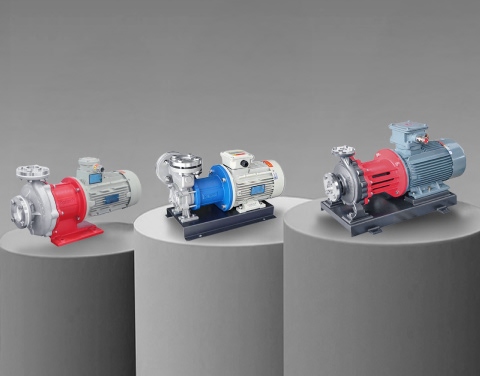



High Head Pump Solutions for Long-Distance & Vertical Transfer
Aulank provides specialized high head pump solutions designed to meet the demands of transporting fluids over long distances or overcoming significant vertical elevation changes. Unlike standard pumps that prioritize flow volume, high head pumps are engineered to deliver fluids at high pressure, typically utilizing enclosed impeller designs and robust casings.
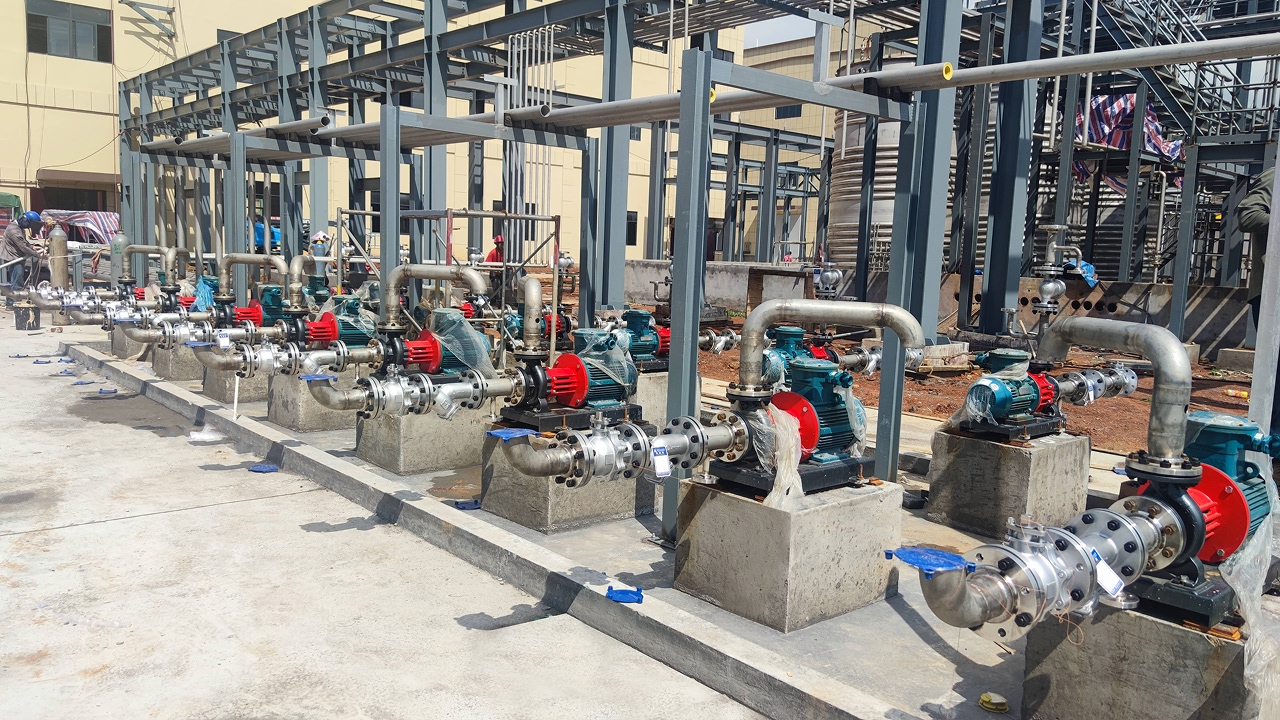
Key Characteristics of High Head Pumps
High head pumps are defined by their ability to withstand high internal pressures and rigorous operating conditions.
- Structural Integrity: Engineered with reinforced materials to handle the stress of high discharge pressures.
- Impeller Design: Often feature enclosed impellers with tight clearances to maximize pressure build-up.
- Energy Efficiency: Designed to maintain optimal energy consumption even under the most demanding high-resistance operating points.
Typical High Head Pump Applications
- Dewatering & Pumping: Moving water from deep excavations, mines, or low-lying areas to significantly higher elevations.
- Oil & Gas Liquid Transfer: Transporting crude oil, fuels, or process water over long pipelines or into high-pressure storage vessels.
- Plant Fire Suppression: Providing the necessary pressure to push water through extensive piping networks to suppress fires in industrial facilities.
- Tank Cleaning: Delivering high-pressure jets required to scour and clean the interiors of large chemical or storage tanks.
- Pipeline Integrity Testing: Pressurizing new or repaired pipelines with water to test for leaks and verify structural integrity under load.
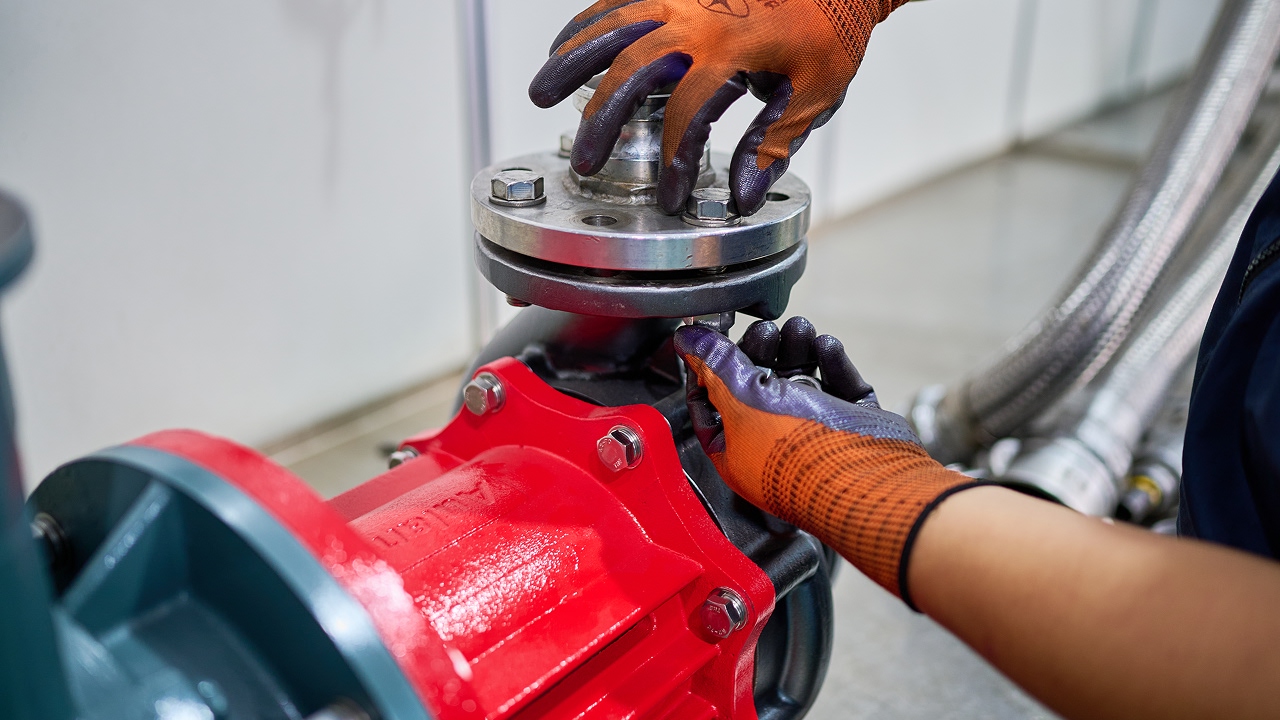
Key Selection Considerations for High Head Pumps
To ensure reliable operation, engineers must carefully evaluate the following factors:
- Pressure Resistance: Evaluate the Total Dynamic Head (TDH), including vertical lift and friction losses, to ensure the pump can deliver fluid to the target destination.
- Durability & Materials: Select casing and impeller materials (such as Cast Iron, Ductile Iron, or Stainless Steel) that can withstand sustained high pressure without fatigue or deformation.
- Efficiency (BEP): Choose a pump specifically sized to operate near its Best Efficiency Point (BEP) at the required high head to minimize energy costs and wear.
- Flow Rate vs. Pressure: Understand the trade-off between flow and head; ensure the selected pump meets the required volume throughput at the specified high pressure point.
Common Issues & Troubleshooting Tips
Cavitation (Due to NPSH issues)
- Symptoms: Loud noise (like gravel in the pump), vibration, and pitting damage.
- Solution: High head pumps require sufficient inlet pressure. Ensure Net Positive Suction Head Available (NPSHa) exceeds the pump's requirement.
Overheating
- Symptoms: High casing temperature, bearing failure, or seized impeller.
- Solution: Avoid running the pump against a closed valve (deadheading) or at extremely low flows for extended periods. Ensure continuous fluid flow for cooling.
Leakage
- Symptoms: Fluid dripping from the shaft seal or casing joints.
- Solution: High pressure puts immense stress on seals. Inspect mechanical seals regularly and ensure casing bolts are torqued to specifications to prevent gasket blowout.
Maintenance Tips
- Regularly check discharge pressure gauges to verify performance stability.
- Lubricate bearings according to the manufacturer’s schedule to withstand high axial loads.
- Inspect wear rings and impeller clearances, as high-velocity fluid can accelerate internal wear.
FAQs
Q1. What is the difference between a high head pump and a high flow pump?
A high head pump is designed to generate pressure to move fluid vertically or over long distances, often with narrower impellers. A high flow pump is designed to move large volumes of fluid at lower pressures, typically with wider impellers.
Q2. Can I use a standard pump for high head applications?
No. Standard pumps may not have the motor power, impeller design, or casing strength to overcome high resistance, leading to zero flow or motor burnout.
Q3. How do I prevent cavitation in high head pumps?
Ensure the suction line is short, straight, and large enough to provide adequate supply pressure. Never restrict the suction side of the pump.